
Hey! Your Google Business Profile is NOT Your Website
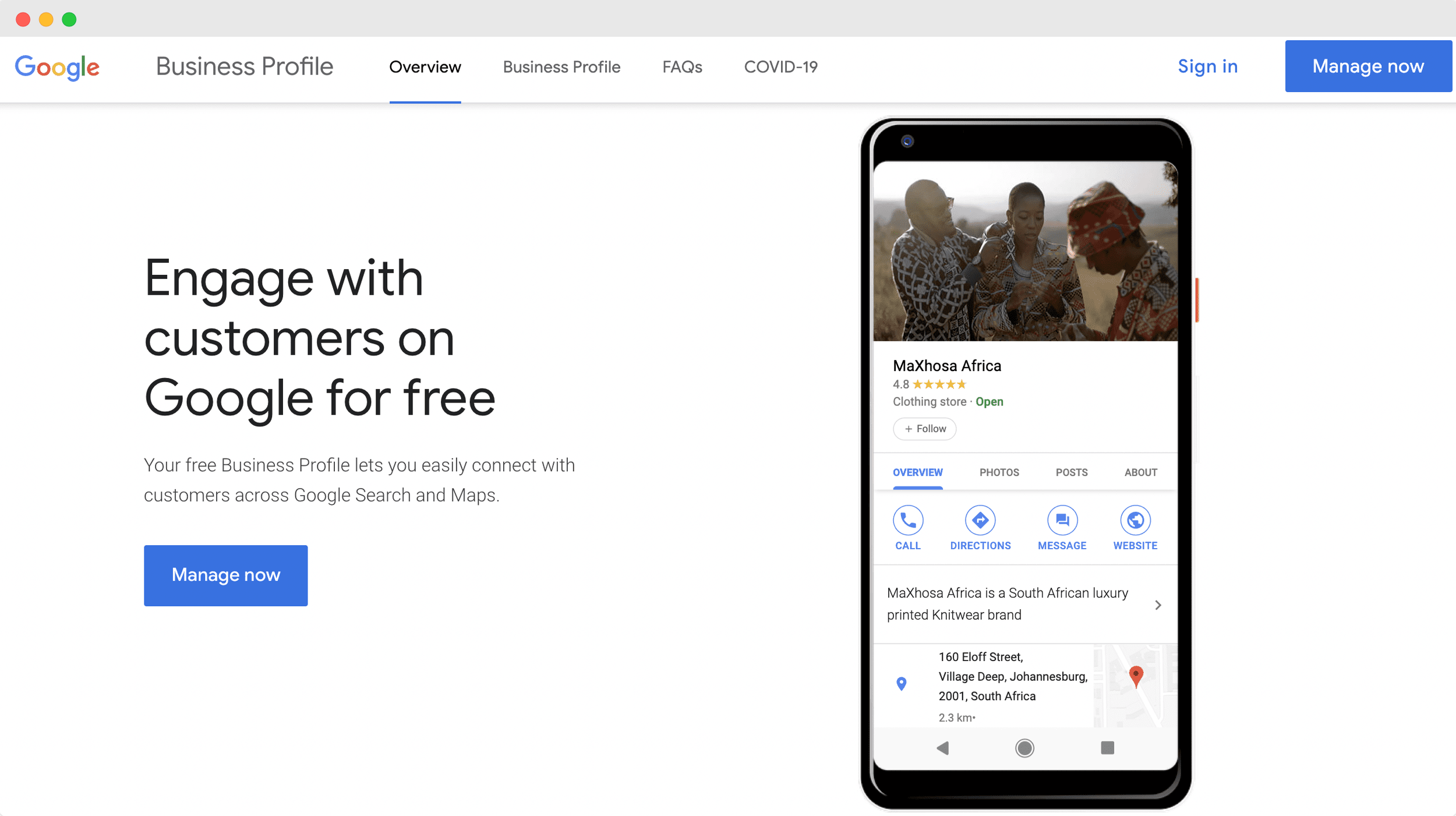
This is an even more dangerous trap than the social media one (link to social media blog), because the Google Business Profile (GBP) is so effective at driving leads that business owners often think, "This is all I need."
But relying 100% on a Google Business Profile without a website is like living in a company-owned apartment. It is convenient and free, but the landlord can evict you anytime, and you are not building any equity.
Here is why a Google Business Profile is a powerful tool but a terrible replacement for a website.
1. The "March 2024" Lesson (Google Deletes Features)
If you need proof that you shouldn't rely on Google, look at what happened in March 2024.
What happened: For years, Google offered a feature where they would automatically build a simple, free website based on your profile (the .business.site websites). Millions of small businesses used this as their only website.
The purge: In March 2024, Google shut them all down overnight. They didn't migrate the content; they just turned them off.
The Risk: Google changes features to suit their goals, not yours. They can remove your chat function, hide your reviews, or suspend your profile for a "verification check" that takes weeks to resolve. If you don't have a website, you vanish from the internet entirely during that time.
2. You Can't Rank for "Specifics" (SEO Limitation)
A Google Profile is great for "Plumber near me." It is terrible for "Tankless water heater repair for vintage homes."
How Search Works: To rank your Google Profile in the top 3 (The Map Pack), Google actually reads your website to verify you do what you say you do.
The Gap: If you list "Water Heater Repair" in your profile but don't have a website page describing it in detail, Google’s AI trusts you less than a competitor who has a dedicated page for it. A strong website is actually the secret weapon to making your Google Profile rank higher.
3. The "Commodity" Problem (Differentiation)
On Google Maps, every business looks exactly the same.
Standardization: You get the same font, the same layout, and the same color scheme as your worst competitor. You cannot control the order of photos or the vibe of the experience.
The Comparison Trap: When a customer looks at your Google Profile, Google often puts a section right at the bottom that says "People also search for"—and lists your top 3 competitors. Your website is the only place online where your competitors aren't invited to the party.
4. Limited "Shelf Space" for Information
A Google Profile is a summary; a website is the manual.
Surface Level: You can list your services on a GBP, but you can't explain how you do them, show a before/after gallery for that specific project, or explain your pricing philosophy.
High-Ticket Sales: If you are selling something expensive (like a home remodel, a car, or a medical treatment), customers need to read more than a 3-line description before calling. They need the deep information that only a website can provide to feel comfortable spending that kind of money.
5. It's Not a "Sellable Asset"
Going back to our blog topic: You cannot sell a Google Business Profile.
Terms of Service: Technically, the profile belongs to the physical location and the platform (Google). While you can transfer ownership access, it is not considered intellectual property in a business valuation the way a domain name (website URL) and its traffic history are.
Portable History: If you move your business location, your Google Profile ranking can reset or tank because it is tied to that specific geo-coordinate. Your website travels with you wherever you go.
Summary
Google Business Profile is the Signpost. The Website is the Destination. The Profile's job is to catch people looking at a map and direct them to you. The Website's job is to convince them you are the right choice, answer their deep questions, and own the customer relationship. You need both to win.